The Jasmine stitch creates a beautiful, textured fabric that looks like a cluster of flowers blooming. It’s a bit of a showstopper in crochet, adding a lovely dimensional quality to projects. While it might look intimidating at first glance, with a few pointers, you’ll be making gorgeous Jasmine stitch pieces in no time. It’s especially satisfying when you’ve got just the right yarn and hook – think worsted weight cotton or a smooth acrylic that lets the stitch definition really pop. A lighter color is great for seeing your stitches clearly as you learn. This stitch is fantastic for cushions, blankets, or even decorative edgings. If you love creating pieces with real wow-factor or need a special handmade gift, you’re in the right place. This tutorial breaks down the Jasmine stitch cluster and the subsequent steps, ensuring you can achieve that perfect floral look. We’ll cover common pitfalls and my tried-and-true methods for getting it right, every time.
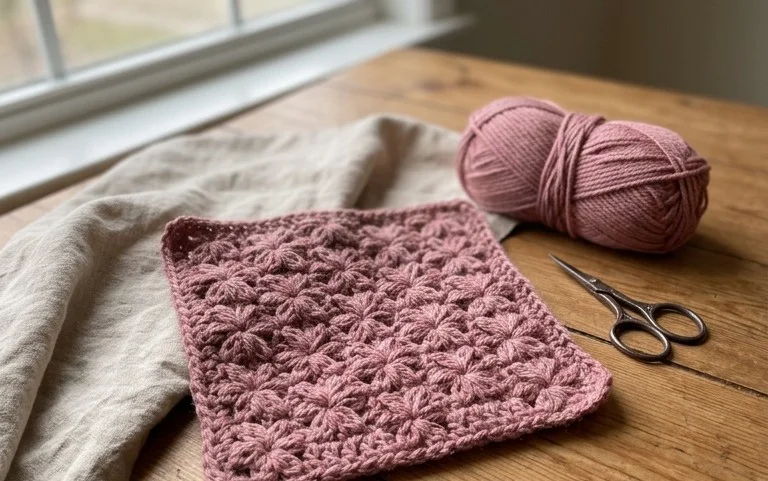
Jasmine Stitch Crochet Tutorial: All My Best Tips to Get It RIGHT!
The Jasmine stitch creates a beautiful, textured fabric that looks like a cluster of flowers blooming. It’s a bit of a showstopper in crochet, adding a lovely dimensional quality to projects. While it might look intimidating at first glance, with a few pointers, you’ll be making gorgeous Jasmine stitch pieces in no time.
Yarn and Hook Recommendations
For the Jasmine stitch, you want a yarn that shows off texture well. Worsted weight cotton or a cotton blend is my go-to. It has a nice crispness that defines the stitch without being too stiff. Avoid very fluffy or fuzzy yarns, like boucle or some novelty yarns, as they can hide the stitch definition and make it harder to see where you’re placing your hook. A smooth acrylic in a lighter color will also work wonderfully, especially for practicing.
As for hooks, a size H-8 (5mm) or I-9 (5.5mm) is generally a good starting point for worsted weight yarn. The exact size can depend on your personal tension. If you tend to crochet tightly, you might want to go up a hook size. If you crochet loosely, stick to the recommended size or even go down a hook size. The key is to have a fabric that is dense enough to showcase the stitch but not so stiff that it’s uncomfortable to work with.
Understanding the Stitch Techniques
The Jasmine stitch is built from a series of special stitches that are worked together. The core components are the Jasmine Stitch Cluster and the Jasmine Stitch Pop.
Jasmine Stitch Cluster: This is the main decorative element. It’s essentially a series of yarn overs and single crochets worked into the same space, but they are all held together until the very end, when you pull through all the loops on your hook at once. This creates that beautiful puff or flower shape.
Jasmine Stitch Pop: This stitch acts as a separator and secures the cluster. It’s a standard single crochet worked into a specific loop of the previous cluster.
The pattern usually involves a foundation row, then rows of Jasmine Stitch Clusters separated by single crochets or chain spaces, and then a return row to flatten the fabric. It’s important to pay close attention to where you insert your hook for each part of the cluster and the pop. Missing a loop or inserting your hook in the wrong place is the most common reason for the stitch not laying flat or looking uneven.
Tips for Beginners to Get It RIGHT!
Don’t be discouraged if your first few attempts look a bit wobbly. The Jasmine stitch has a learning curve, but it’s achievable! Here are my best tips:
- Start with a practice swatch. Seriously, just make a small square. This is the best way to get a feel for the stitch without the pressure of a larger project.
- Count your loops carefully. When you’re pulling through all the loops on your hook for the cluster, make sure you are indeed pulling through all of them. If you miss one, the stitch won’t close properly.
- Keep your tension consistent. This is vital for any crochet stitch, but especially for textured ones like Jasmine. Try to hold your yarn and hook in the same way throughout your work.
- Identify the correct loops. Each Jasmine stitch cluster creates a specific number of loops on your hook. Pay attention to which loops are the “pop” loops and which are the main cluster loops. Most patterns will specify this, often referring to them as “loops from yarn over and chain”.
- Don’t pull your clusters too tight. While you want them defined, pulling them overly tight can make the fabric stiff and difficult to work into on the next row. Let them puff out naturally.
- Mark your starting stitches. Especially when you are first learning, placing a stitch marker in the first single crochet of a row or the first chain space can help you keep track of where your row begins and ends.
- Understand the return row. The return row (often single crochets) is what flattens the fabric and prepares it for the next row of clusters. Ensure you are working into the correct stitches of the previous cluster to create a smooth transition.
How to Customize Your Jasmine Stitch Projects
The beauty of the Jasmine stitch is its versatility. You can make it your own in many ways!
Color Combinations
- Solid Color: A classic choice that lets the stitch texture truly shine.
- Stripes: Change colors every few rows for a bold look. Since the stitch creates such pronounced rows, stripes can look fantastic.
- Color Blocks: Use different colors for alternating clusters or sections of your project.
- Ombre/Gradient: Work with yarns that transition in color for a beautiful, flowing effect.
- Contrast Borders: Use a contrasting color for the border of your piece to make the main design pop.
Size and Shape
The Jasmine stitch works up relatively quickly, so adjusting size is straightforward. To make a piece larger, simply continue adding rows. For smaller items, work fewer rows. The stitch itself creates a dense fabric, so it doesn’t stretch out excessively, which is great for garments and accessories. You can create anything from small coasters to large blankets, scarves, bags, and even garments like vests or shawls.
Care Instructions for Your Finished Piece
The care of your finished Jasmine stitch item will depend on the yarn you used. However, here are some general guidelines:
- Hand Washing: This is generally the safest method for most crocheted items, especially those made with natural fibers like cotton or wool. Use cool water and a mild detergent designed for delicates. Gently squeeze the water through the fabric; do not wring or twist.
- Machine Washing (with caution): If your yarn label allows and you’re confident in your item’s construction, you can machine wash on a delicate or hand-wash cycle with cool water. Place the item in a mesh laundry bag to protect it from snagging.
- Drying: Always lay your crocheted item flat to dry. This prevents stretching and distortion of the stitches. Reshape the item gently while it’s still damp. Avoid hanging your work to dry, as the weight of the water can cause it to stretch out of shape.
- Blocking: For Jasmine stitch, blocking can really help to even out the stitches and give your piece a professional finish. You can use steam blocking (carefully, not too close to the yarn) or wet blocking.
Project Ideas Using the Jasmine Stitch
Once you’ve mastered the Jasmine stitch, the possibilities are endless. Here are a few ideas to get your creative juices flowing:
- Coasters: A small, quick project perfect for practicing and gifting. The dense texture of the Jasmine stitch makes them very absorbent.
- Placemats or Table Runners: Create a stunning centerpiece for your dining table.
- Scarves or Cowls: The stitch creates a warm, textured fabric that’s lovely against the skin.
- Bags or Totes: A Jasmine stitch bag is both stylish and durable. Consider lining it for extra sturdiness.
- Blankets or Throws: A full Jasmine stitch blanket is a truly luxurious and impressive project.
- Cushion Covers: Add a pop of texture and color to your home decor.
- Baby Blankets: The unique texture can be very appealing to little ones.
The Jasmine stitch is a rewarding stitch to learn. With patience and these tips, you’ll be creating beautiful, textured crochet items that you can be proud of.
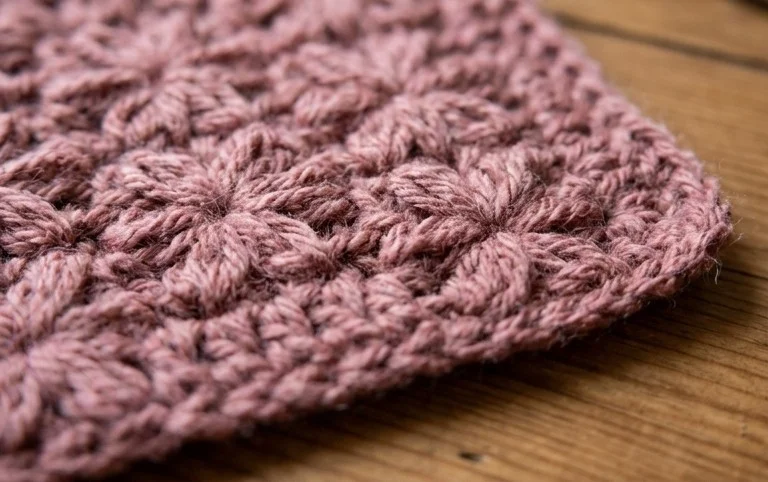
Now that you’ve seen how to create the beautiful Jasmine stitch, I hope you feel confident giving it a go. It really is a rewarding stitch once you get the hang of it. Don’t be afraid to experiment with different yarn weights and colors; perhaps a variegated yarn would create a stunning bouquet effect! Share your finished projects with me on social media – seeing your creations is always a highlight for me. If you enjoyed this tutorial, you might also like my other stitch guides for adding unique textures to your makes. Happy crocheting!